

#Sustainability20: In world-first, 100% hydrogen-powered jet engine gains full power in test & more
Weekly Round-up - 05/06/26

Each Friday, we publish a round-up of the 20 most important stories on sustainable aviation. You can see previous editions of #Sustainability20 here.
Industry Updates
ICAO has called for immediate global action to accelerate progress towards net zero by 2050, announcing enhanced cooperation with IATA on tracking sustainable aviation fuel deployment.
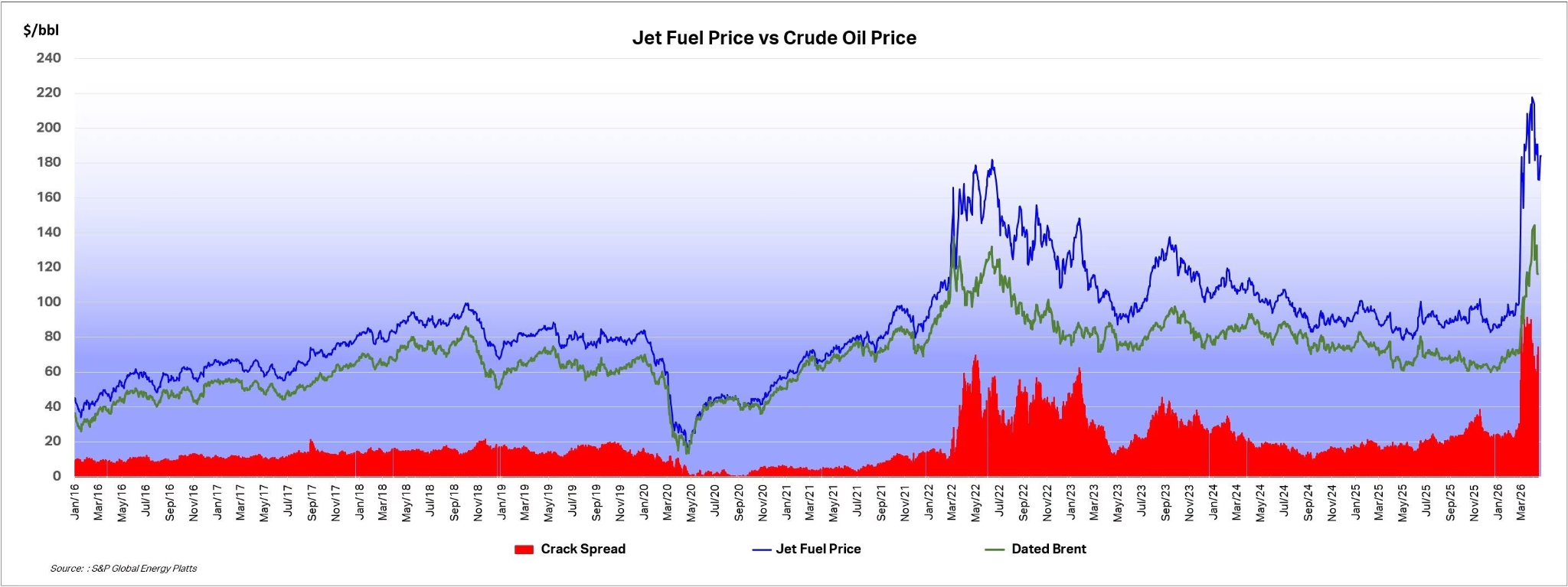
The Iran war has exposed critical vulnerabilities in global jet fuel supply chains, strengthening the strategic case for scaling sustainable aviation fuels as a tool for energy security.
Sustainability management has evolved from voluntary reporting to mandatory audit-ready compliance, with ESG frameworks now essential for airlines to manage financial and reputational risks.
Legal battles between Joby, Archer and Vertical Aerospace have threatened investor confidence in the eVTOL sector, as certification timelines continue to slip despite government support.
Gatwick Airport has invested £1 million in two nature-based carbon removal projects, transforming degraded farmland into habitats that will offset residual emissions through the next decade.

CLIMATE WATCH: A disease of deforestation: how Ebola is linked to the smartphone in your pocket - The Guardian
Mining-driven deforestation in the Congo basin has been linked to larger Ebola outbreaks, as rising demand for cobalt and gold pushes people deeper into bat-inhabited forests.
Infrastructure and operational efficiencies
Philadelphia has approved a 1.5-megawatt solar farm to fully power Northeast Philadelphia Airport, with the city purchasing energy for 25 years at a set rate.
Sustainable Aviation Fuel (SAF)
KLM has marked the start of construction on the Netherlands’ first dedicated SAF facility, committing to purchase 75,000 tonnes annually from the plant beginning in 2028.
Liquid Sun has developed a low-temperature electrolysis technology that converts biogenic CO2 and hydrogen into eSAF, with a pilot plant now operating in Finland.
KBR has been selected to license its PureSAF technology for a new Latvian facility expected to become the largest SAF and eSAF production plant in Northern Europe.
ENOC has signed an MOU with Allied Biofuels to explore the offtake and distribution of SAF from a new Uzbek production facility across regional and international markets.
PySAF has developed a proprietary fractionation process that unlocks fast pyrolysis bio-crude as a scalable SAF feedstock, with the technology now at TRL5.
Japan has stepped up collection of used cooking oil for SAF production, though domestic supplies will meet only a quarter of the 2030 target even if fully captured.
Dangote has become the world’s largest single exporter of aviation fuel, shifting to max jet mode after the Iran war while planning a $10 billion expansion.
Syntholene is completing construction of a geothermally-integrated eSAF demonstration facility in Iceland, with Icelandair expressing interest in a 20,000-tonne annual offtake.
Axens has partnered with Green Sky Capital to build Egypt’s first commercial-scale SAF plant, using HEFA technology to produce 200,000 tonnes annually from used cooking oil.
New technology: Electric and Hydrogen
Rolls-Royce has successfully tested a jet engine at full take-off power using 100% hydrogen, with safety expertise from the UK’s Health and Safety Executive proving critical.
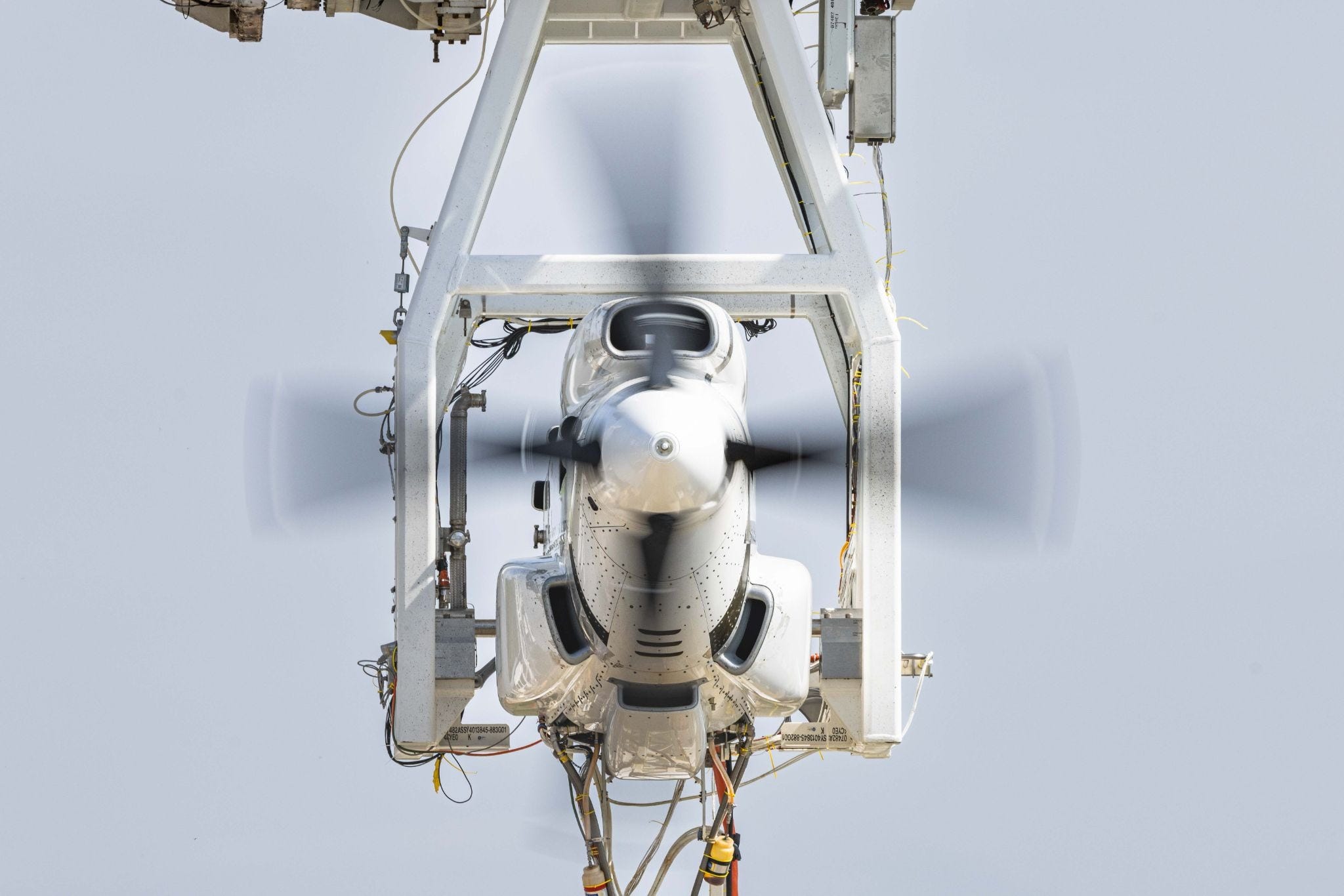
GE Aerospace has completed ground testing of a megawatt-class hybrid electric powertrain, simulating full flight phases before planned flight tests under NASA’s EPFD project.
Germany has launched a public consultation on a €2 billion funding mechanism for eSAF, using a double auction model to accelerate market ramp-up of renewable kerosene.
Honda has completed the first flight of its full-scale eVTOL technology demonstrator, with a 90-second hover test marking the transition to full-scale validation.
The UK’s Hydrogen in Aviation Alliance has announced £188 million of member investments into hydrogen R&D, targeting small commercial hydrogen flights by 2030.