

#Sustainability20: New studies confirm minor flight re-routing to avoid contrails would have major climate benefits & more
Weekly Roundup - 30/01/26

Each Friday, we publish a round-up of the 20 most important stories on sustainable aviation. You can see previous editions of #Sustainability20 here.
Industry Updates
Two European studies show that adjusting routes of just 10% of flights — mainly night flights in autumn and winter — could reduce contrail-related warming by up to 70% with minimal operational impact.

Vueling invites start-ups to tackle sustainability and passenger experience - Aviation Business News
Vueling has launched an open innovation programme inviting start-ups to address sustainability, operational efficiency, and passenger experience, aiming to accelerate adoption of scalable technologies across its airline and airport ecosystem.
Swedavia has launched a green financing framework and issued SEK 800 million in sustainable bonds, linking airport funding to climate targets and supporting long-term decarbonisation of Sweden’s aviation infrastructure.
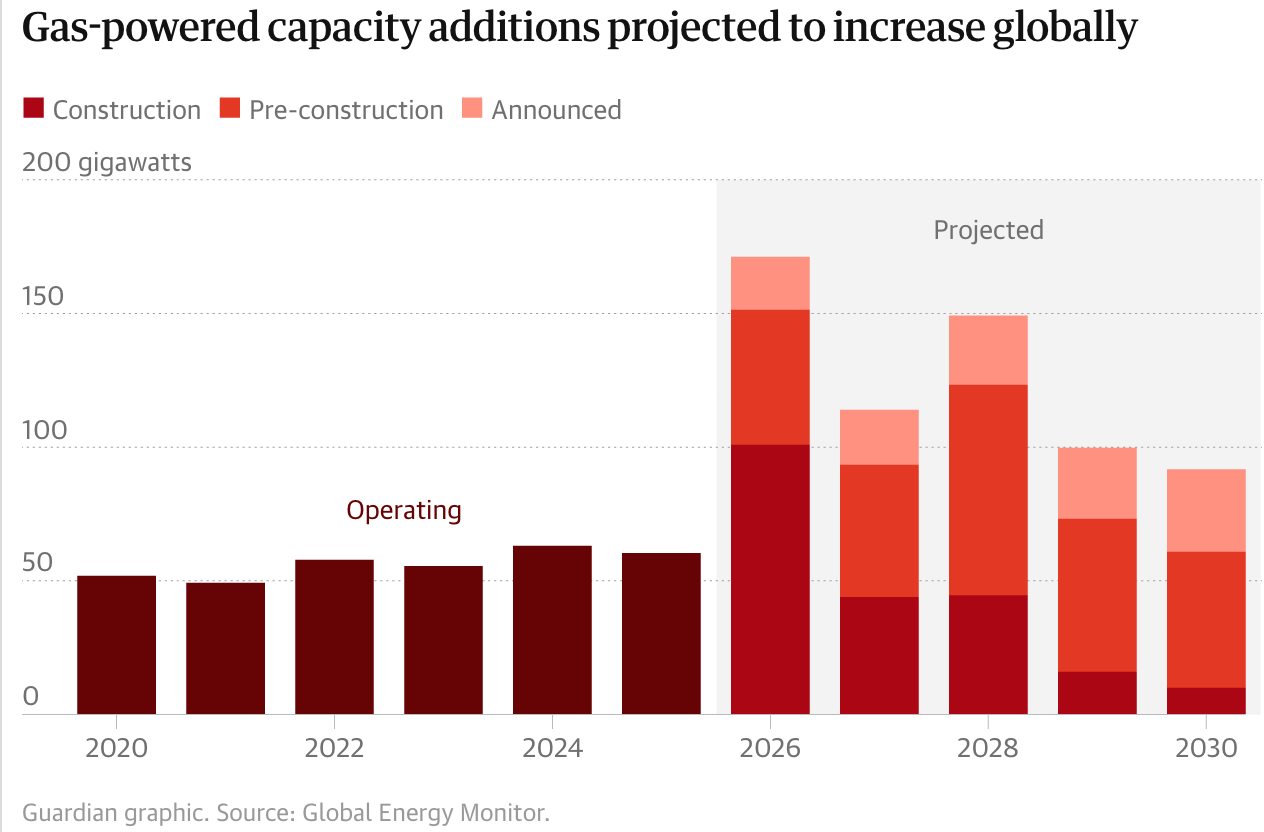
CLIMATE WATCH: US leads record global surge in gas-fired power driven by AI demands, with big costs for the climate - The Guardian
Experts have warned that rising gas power generation and energy-hungry artificial intelligence systems have risked increasing emissions, potentially undermining climate targets and accelerating global warming and extreme weather impacts.
Infrastructure and operational efficiencies
Bristol Airport and Ultima Forma have developed a liquid hydrogen refuelling concept, supporting early infrastructure planning for zero-emission aircraft and future hydrogen-powered commercial aviation operations.
Sustainable Aviation Fuel (SAF)
Topsoe has been selected to support major SAF projects in China, strengthening large-scale SAF production and accelerating the country’s push to expand domestic low-carbon aviation fuel capacity.
Boeing and Israel’s Technion have expanded collaboration on SAF research, supporting technology development as the sector has grappled with policy uncertainty and pressure to scale low-carbon fuel production.
EcoCeres has inaugurated its first SAF plant in Malaysia, expanding regional SAF production capacity and supporting growing Asian demand for low-carbon aviation fuels.
Honeywell has partnered with SAF One and Tata Projects to enable SAF production, supporting deployment of licensed technology and accelerating development of new SAF facilities.
LanzaTech has selected the Humber region for a £600 million SAF plant, supporting UK industrial decarbonisation and large-scale production of low-carbon aviation fuel from waste-based feedstocks.
Praj Industries has achieved a global first in SAF technology, strengthening its intellectual property and positioning for expanded deployment of advanced SAF production pathways.
Haffner Energy, LanzaJet and LanzaTech have partnered to unlock alcohol-to-jet SAF production, aiming to scale conversion of low-carbon alcohol feedstocks into SAF.

Germany has approved €350 million in funding for its largest power-to-liquid e-SAF facility in Schwedt, supporting large-scale synthetic aviation fuel production using renewable electricity.
FedEx has taken delivery of SAF at Dallas Fort Worth and New York JFK airports, expanding corporate use of SAF to reduce lifecycle emissions from global air cargo operations.
Indian Oil and Akasa Air signed an LOI at Wings India 2026 to explore SAF supply, supporting sustainability goals and reducing aviation emissions through collaboration on feedstocks, volumes, and logistics.
New technology: Electric and Hydrogen
Eve Air Mobility has expanded electric air taxi testing in Florida, advancing certification and operational trials ahead of planned passenger services using Embraer-backed eVTOL aircraft.

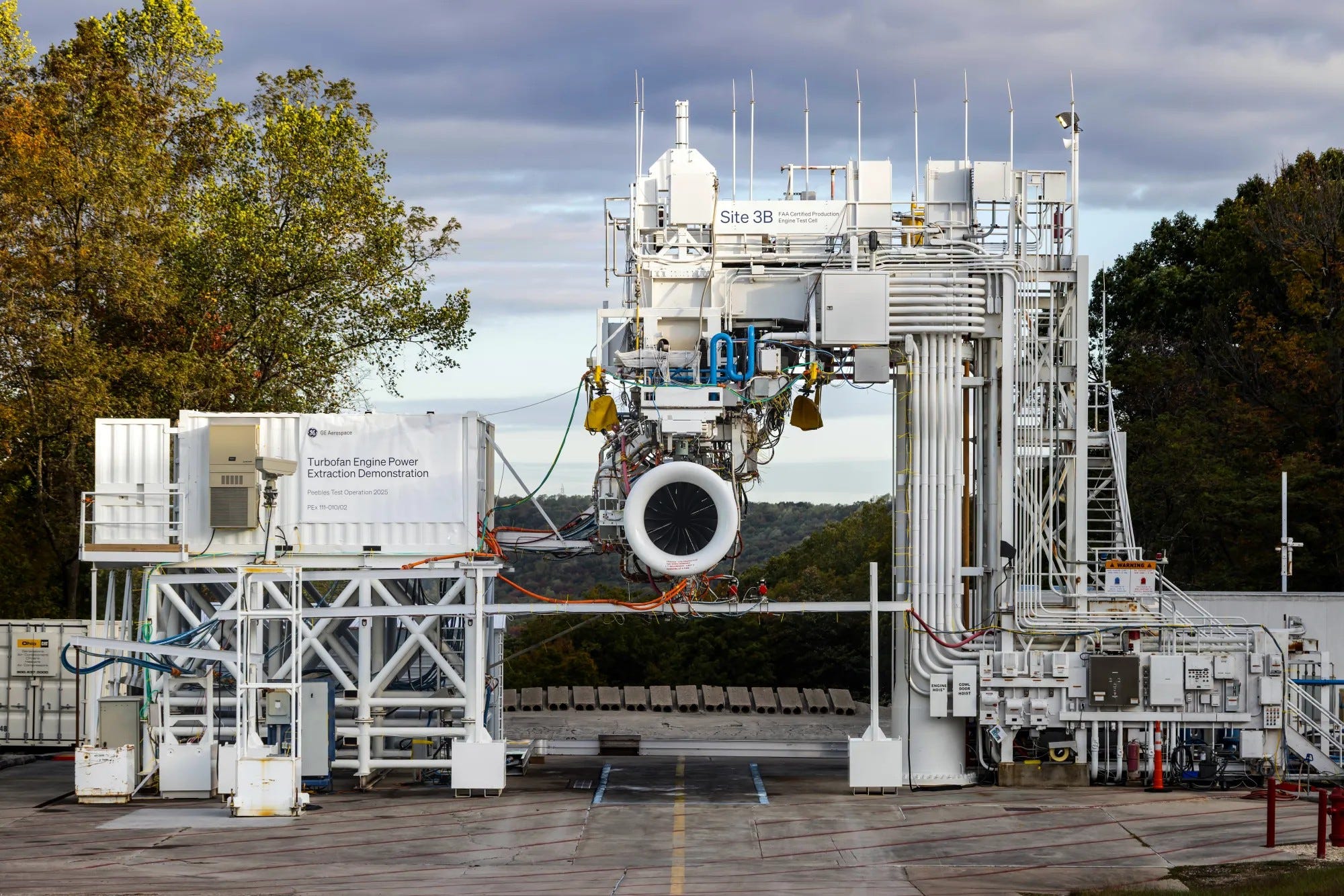
NASA and GE have completed hybrid-electric engine tests, generating data to support development of more efficient propulsion systems for next-generation low-emissions aircraft.
Toshiba and Airbus have advanced superconducting electric motor concepts for hydrogen aircraft, supporting development of high-efficiency propulsion systems for future zero-emission aviation.
Vertical Aerospace has outlined proposed eVTOL routes in New York, supporting early planning for urban air mobility operations and integration of electric aircraft into city transport networks.
Stralis and EVIA AERO have deepened their partnership, with EVIA AERO committing to five Bonanza A36 hydrogen electric retrofits, advancing zero emission aviation across Europe.
South Korea has completed the first flight of its domestically developed electric aircraft, marking a milestone for national aerospace innovation and signalling early progress towards lower-emissions regional aviation technology.