

#Sustainability40: IATA warns poorly designed SAF mandates threaten decarbonisation & more
Bi-weekly roundup - 12/12/25

This Friday, we’re publishing a round-up of the 40 most important sustainable aviation stories from the past two weeks. You can see previous editions of #Sustainability20 here.
Industry updates
The International Air Transport Association has revised its sustainable aviation fuel (SAF) forecasts downwards, citing insufficient policy support and high costs that hinder industry decarbonisation targets.
EU launches Early Movers’ Coalition to accelerate sustainable aviation fuel uptake - Hydrogen Europe
A new European eSAF coalition has been launched, with several member states committing to scale up synthetic aviation fuel production to meet EU regulatory targets.
Scientists are testing aircraft engine emissions using SAF to understand its impact on air quality and non-CO₂ climate effects.
US lawmakers have introduced the SAF Act to reinstate a tax credit, aiming to bolster the SAF industry and lower emissions.
Delta Air Lines has reported progress on its sustainability strategy, investing in next-generation aircraft and operational efficiency to advance its net-zero goals.
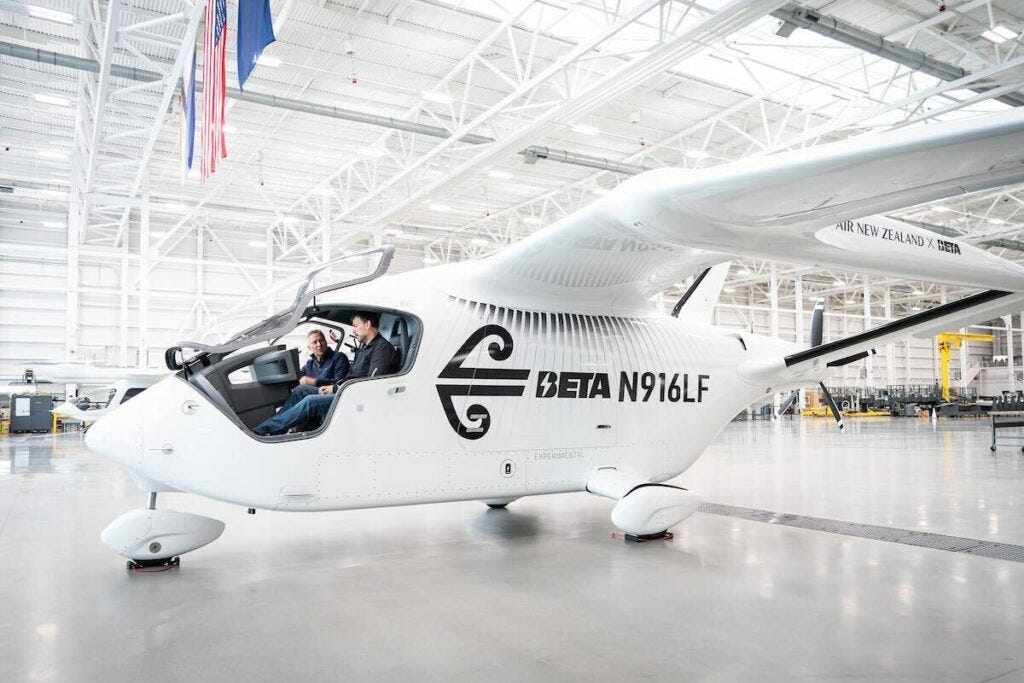
Air New Zealand is testing a battery-electric BETA Alia CX300 aircraft and preparing infrastructure, committing to 8,000t of NZ-sourced carbon removals by 2030, while NZ and Australian firms develop hydrogen flight tech.
CLIMATE WATCH: ‘Not normal’: Climate crisis supercharged deadly monsoon floods in Asia - The Guardian
A scientific analysis has concluded that human-caused climate change intensified the deadly monsoon rains and cyclones that recently flooded parts of Asia.
Infrastructure and operational efficiencies
The New Terminal One at JFK Airport is set to open in 2026, featuring sustainable design and advanced technology as part of a major airport redevelopment.
IATA data reveals aircraft idling on the ground burns significant fuel, costing hundreds of millions annually and highlighting a key area for operational efficiency gains.
The Lufthansa Group is expanding its fuel-efficiency programme, having already saved thousands of tonnes of kerosene through over 90 operational measures.
Norwegian has agreed to install fuel-saving Finlet modifications on its entire Boeing 737-800 fleet to improve aerodynamic performance and reduce emissions.
Boeing has been granted a patent for an emissions tracking and display system, a software tool to help airlines model and manage their carbon footprint.
Euroairlines has partnered with AccesRail to integrate rail tickets into its booking system, offering passengers combined air and train travel options in Spain and Italy.
A new solar array on Jersey Airport’s cargo terminal has begun operations, generating enough electricity to power the equivalent of 60 homes annually.
The former Downsview Airport in Toronto is being redeveloped into a large urban district, with its historic runway transformed into a central public park.
Rolls-Royce, with partners Xanadu and Riverlane, has used quantum computing to reduce jet-engine airflow simulation times from weeks to under an hour.
Sustainable Aviation Fuel (SAF)
Saudia begins operating SAF-powered flights from Red Sea International Airport, supporting Saudi Arabia’s national decarbonisation goals.
Ireland’s first e-fuel facility for aviation is being developed by Galetech, with potential uptake from airlines like Aer Lingus and Ryanair.
A new specialised laboratory for testing SAF has been announced for Fujairah, aiming to strengthen the regional SAF supply chain.
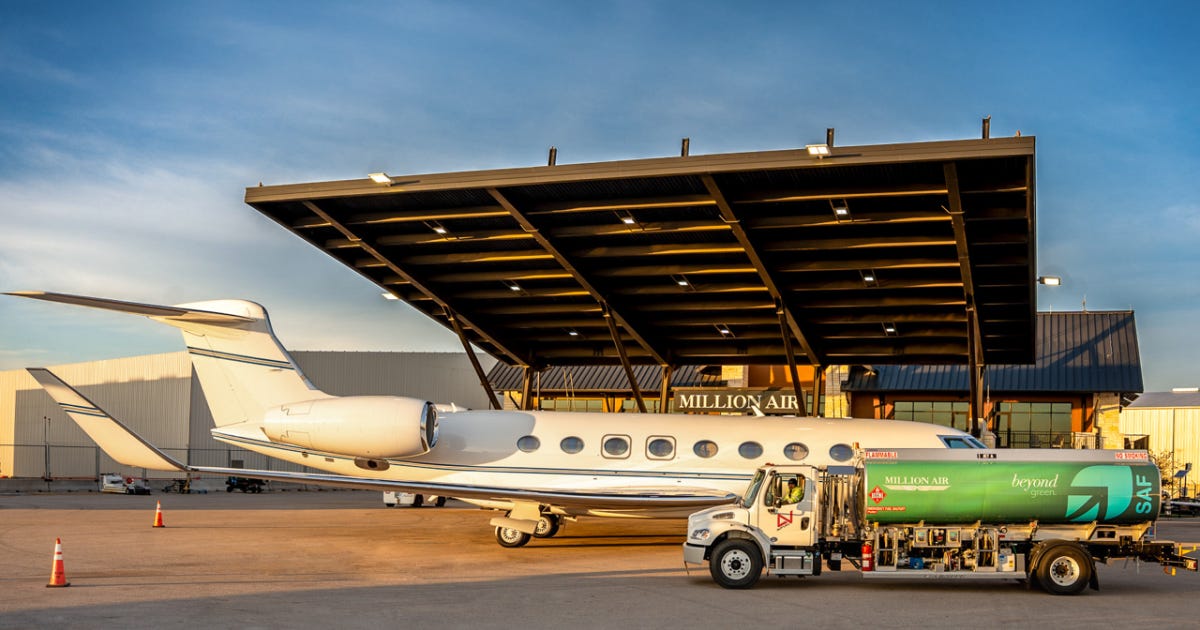
Million Air’s Austin FBO has begun receiving continuous supplies of SAF, marking Avfuel’s first consistent SAF location in Texas.
Petrobras has delivered the first SAF produced in Brazil, marking a strategic step in the country’s aviation decarbonisation efforts.
Egypt has signed an agreement with Honeywell UOP to build its first SAF plant, which will convert used cooking oil into jet fuel.
Liquid Sun has launched a pilot plant in Finland to produce synthetic crude oil for SAF, a key step in scaling eSAF production.
Korean Air is accelerating decarbonisation through fleet upgrades, fuel efficiency programmes, and expanding its use of SAF.
Mexico’s Pemex is exploring a biorefinery project with a Spanish partner to produce biogas and SAF from organic waste.
XCF Global has announced development milestones for its second SAF production facility in Nevada, aiming to double its output.
Harvard researchers have concluded that municipal waste could be a viable and low-cost feedstock for producing SAF.
Shell has signed a long-term agreement to purchase SAF from a planned plant in Egypt, providing commercial certainty for the project’s development.
New technology: Electric and Hydrogen
Archer Aviation has detailed plans for an air taxi network in South Florida, connecting major population centres with electric aircraft flights.
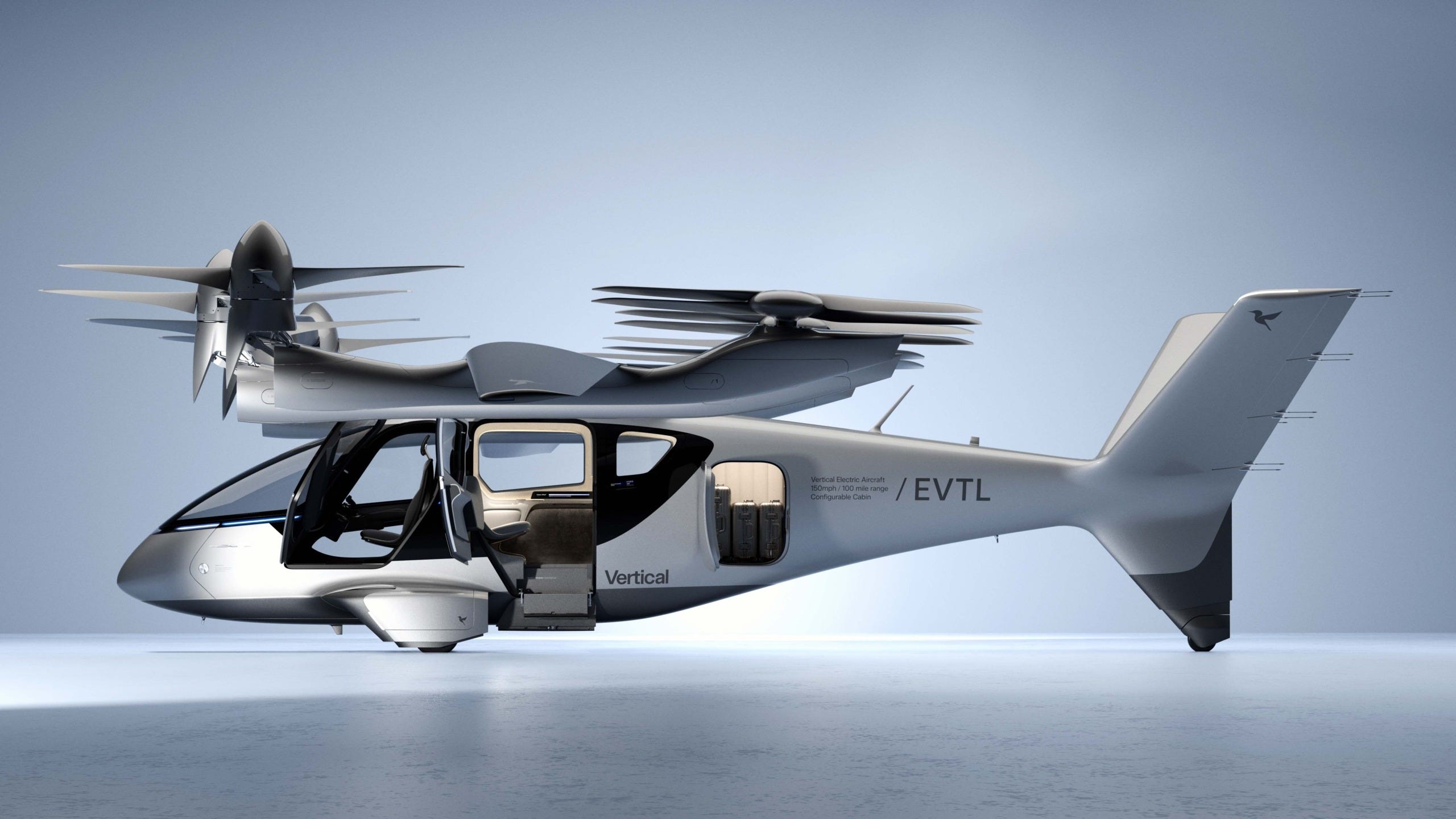
Vertical Aerospace has officially retired the VX4 name and unveiled its new Valo eVTOL aircraft, designed for commercial service and targeting regulatory approval in 2028.
Eve Air Mobility has selected BETA Technologies to supply electric pusher motors for its eVTOL aircraft in a deal worth up to one billion dollars.
French start-up Beyond Aero has outlined plans for a factory to manufacture its in-development hybrid-electric business jet, the BYA-1.
Bristow expects to operate the UK’s first eVTOL air taxi service from 2029 using Vertical Aerospace’s Valo aircraft on routes including London to Heathrow.
A study by Rolls-Royce and easyJet has found that hydrogen-powered aircraft could significantly cut European aviation emissions if supported by targeted infrastructure.
Electra.aero has submitted an application to the FAA to certify its nine-passenger EL9 hybrid-electric ultra-short takeoff and landing aircraft.
EHang has completed a pilotless urban passenger flight in Bangkok with its EH216-S eVTOL aircraft under Thailand’s sandbox initiative.
Boeing-backed Start-up Evio Launches Hybrid-electric Regional Airliner - Aviation International News
Boeing-backed start-up Evio has unveiled its Evio 810 hybrid-electric regional aircraft, aiming for service entry in the early 2030s.
BETA Technologies has detailed its autonomous hybrid-electric aircraft for the U.S. military, designed for greater range and speed than some helicopters.
AutoFlight has introduced a mobile, solar-powered water vertiport to provide flexible landing hubs for eVTOL aircraft on rivers and coastal areas.
Finnish startup Kelluu has secured a deal with NATO to supply its hydrogen-powered surveillance airships for military use.
Swiss company Jekta is preparing to flight test a second sub-scale model of its PHA-ZE 100 hydrogen-electric amphibious aircraft.