

#Sustainability20: UK invests £43M in green aviation R&D for hydrogen & net zero & more
Weekly Roundup - 23/01/26

Each Friday, we publish a round-up of the 20 most important stories on sustainable aviation. You can see previous editions of #Sustainability20 here.
Industry Updates
The UK government will invest £43 million in green aviation research and development to advance hydrogen propulsion, net-zero flight technologies, and early-stage innovations supporting long-term decarbonisation of the aviation sector.
VINCI Airports has secured €120 million in sustainability-linked financing to support environmental upgrades at Cape Verde airports, tying borrowing costs to progress on emissions reduction and sustainability performance targets.
TotalEnergies’ chief executive has warned that the European Union’s proposed sustainable aviation fuel mandate may be dropped or weakened, citing cost pressures and political resistance across member states.
The SkyTeam awards showcased how 22 airlines reduced CO2 intensity by 13.5% on average through award-winning, scalable solutions — from KLM’s 100% SAF tickets to Kenya Airways’ plastic-free cabins and Air Europa for AI-optimised flights.

CLIMATE WATCH: Half of world’s CO2 emissions come from just 32 fossil fuel firms, study shows - The Guardian
A major study has found that fossil fuel companies’ products have been responsible for a large share of global CO2 emissions, reinforcing evidence linking corporate producers to accelerating climate change impacts.
Infrastructure and operational efficiencies
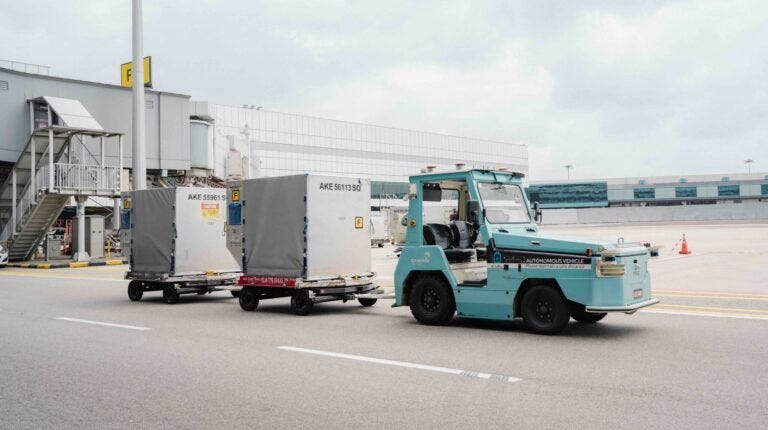
Changi Airport has deployed autonomous electric tractors for airside baggage operations, improving efficiency, reducing labour intensity, and cutting emissions from ground handling activities.
Hamad International Airport and Kahramaa have launched new electric vehicle charging stations under Qatar’s Tarsheed programme, supporting cleaner transport and energy efficiency at airport facilities.
Venice Marco Polo Airport has advanced its net-zero strategy, redesigning energy systems to balance renewable generation, efficiency, and environmental protection of the surrounding lagoon ecosystem.
Sustainable Aviation Fuel (SAF)
Syzygy Plasmonics has signed a landmark commercial offtake agreement with Trafigura to supply advanced sustainable aviation fuel, supporting early market demand for next-generation low-carbon fuels.

Gevo has won a new patent strengthening its ethanol-to-olefins pathway, enhancing intellectual property around technology that could support scalable sustainable aviation fuel and chemicals production.
Fortum and Skavsta Airport have begun assessing development of a hydrogen and e-SAF hub in Sweden, aiming to support future production and distribution of low-carbon aviation fuels.
SAFFA has committed up to US$30 million to the SAF One project, supporting construction starting in 2026 and accelerating new sustainable aviation fuel production capacity.
Indonesia has announced plans to develop malapari oil as a sustainable alternative fuel feedstock, aiming to diversify domestic biofuel sources and reduce reliance on imported fossil fuels.
AVEVA has made its first sustainable aviation fuel purchase five years ahead of schedule, supporting the World Economic Forum’s First Movers Coalition and signalling early corporate demand for SAF.
Syntholene Energy has secured an expression of interest for its synthetic fuel technology, supporting progress towards commercialisation of low-carbon fuels for aviation and other transport sectors.
Jet Aviation has again offered sustainable aviation fuel in Zurich during the World Economic Forum, supporting business aviation customers seeking to reduce the carbon footprint of private flights.
TUI Group has significantly increased its use of sustainable aviation fuel, expanding SAF purchases across its airline operations to support near-term emissions reductions.
New technology: Electric and Hydrogen
Eve Air Mobility has secured US$150 million in new financing to accelerate development of its eVTOL aircraft, strengthening its balance sheet ahead of certification and commercial launch.
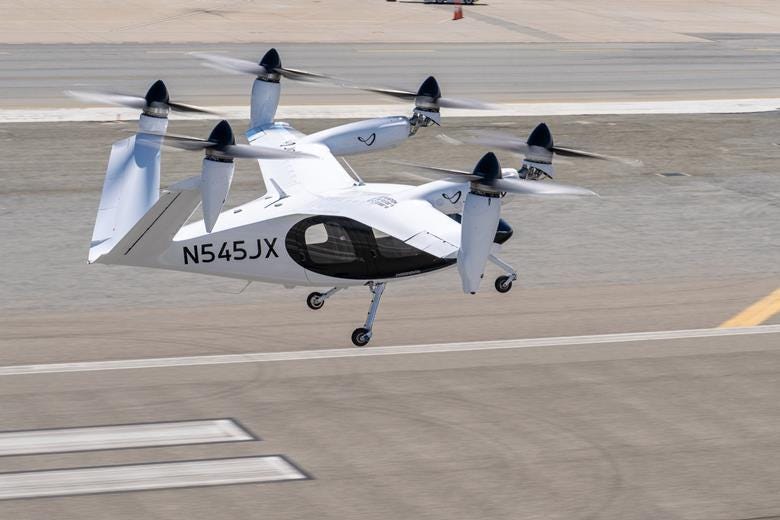
Joby Aviation has introduced its first CAE flight simulators, supporting pilot training and advancing preparations for commercial air taxi operations and regulatory approval.
Bristow Group has signed a purchase agreement for Electra’s EL9 hybrid-electric aircraft, supporting plans to deploy low-emissions aircraft for regional and specialist operations.

French startup Beyond Aero has validated its unique hydrogen-electric business jet design in wind tunnel tests, moving closer to a 2030 launch for an aircraft promising 55% lower operating costs.
