

The clean energy competition aviation can’t afford to ignore
At SXSW 2026, a panel on data centre sustainability exposed the scale of an energy competition that has direct implications for every airport and SAF producer

⚡ In a nutshell
Airport electricity demand could increase two to fivefold by 2050 as the sector electrifies ground operations, charges future electric aircraft, and supports SAF production, but a deep-pocketed competitor is already buying up much of the energy aviation will need.
AI data centres are consuming energy on a staggering scale. A single next-gen facility can draw up to 1.2 gigawatts - equivalent to 90,000 homes - and data centres already consume 21% of Ireland’s entire electricity supply. US grid interconnection now takes nearly five years; GE gas turbine lead times have stretched to seven years.
Boom Supersonic’s pivot to selling 1.21GW of gas turbines to a data centre developer, with a $1.25 billion backlog, illustrates where energy investment is flowing.
But there is an upside. The same technologies that data centres are driving to scale, such as next-gen geothermal, flow batteries, small nuclear, direct air capture, are exactly what aviation needs. Tech investment could bring costs down for everyone.
Aviation cannot outbid big tech, but it can ride the cost curves. That means airports investing in on-site storage and microgrids, and SAF producers tracking energy technology trajectories as closely as feedstock prices.
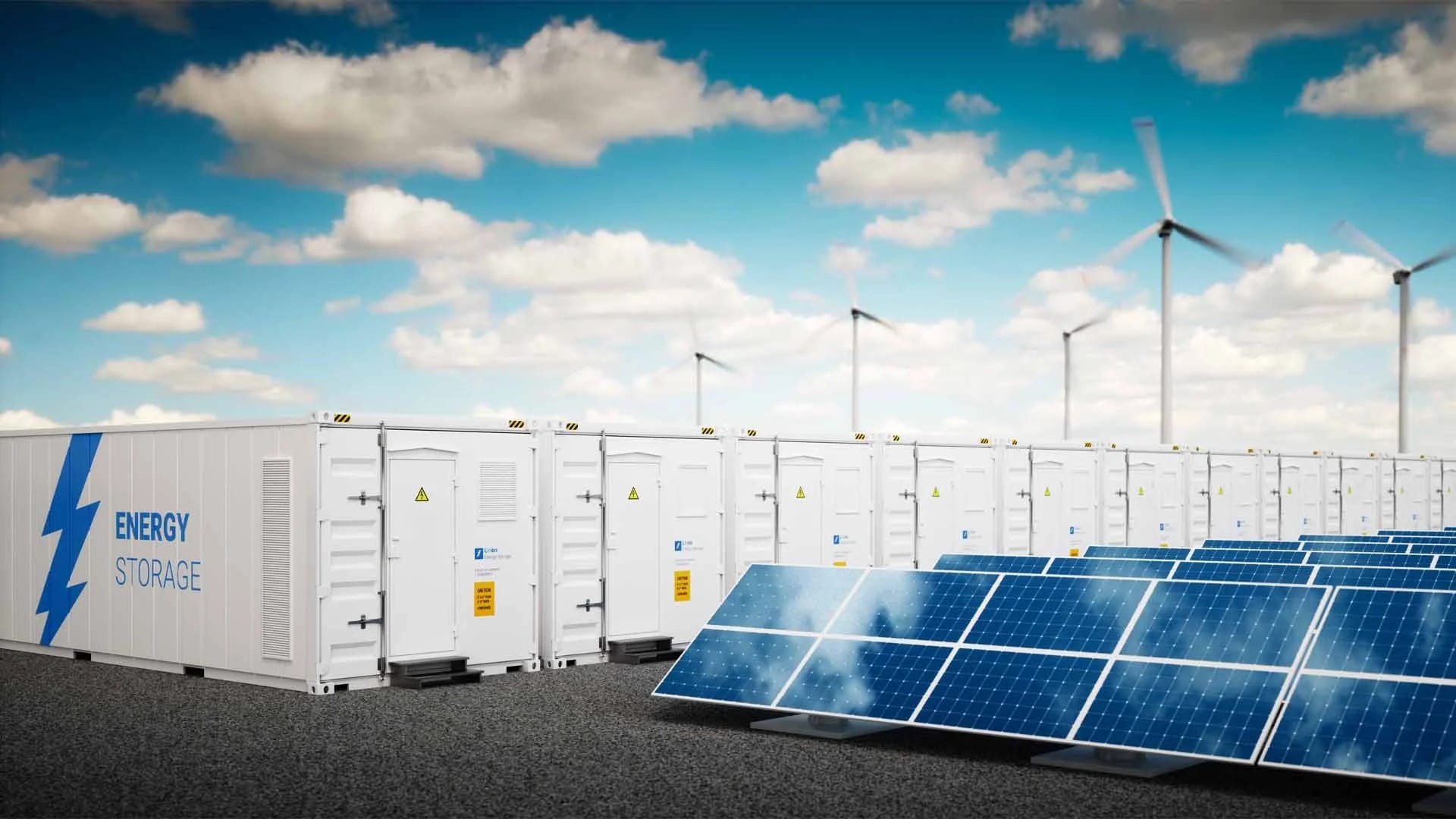
Airport electricity demand is heading in one direction. As the sector electrifies ground support equipment, installs charging infrastructure for future electric aircraft, and draws more heavily on clean power for terminal operations, studies forecast that airport power demand could double by 2030 and increase as much as fivefold by 2050.
Every pathway to decarbonising flight depends on abundant, affordable clean energy. Sustainable aviation fuel production, whether from waste feedstocks, power-to-liquids, or hydrogen, requires some degree of power. The hydrogen that underpins synthetic e-fuels needs either cheap renewable power for electrolysis or geological sources that are still being proven. Then we get to Direct Air Capture (DAC), an important tool for addressing residual emissions that is energy-intensive by design.
So, where will all this clean energy come from? That question took on new urgency at SXSW 2026 in Austin, where a panel on data centre sustainability made clear that aviation is not the only sector with an enormous and growing appetite for clean power, and certainly not the one with the deepest pockets.
A voracious energy appetite

The panel, “Dirty Data: The Hidden Climate Cost of Our Digital Lives,” brought together executives from geothermal startup Sage Geosystems, water technology firm Gradiant, flow battery developer XL Batteries, and green building standards body BREEAM. Even though none of them mentioned aviation once, everything they discussed has direct implications for airports, airlines, and fuel producers.
The panel started by outlining the colossal scale of data centre energy consumption:
Acoording to Jason Peart, COO of Sage Geosystems, a single next-generation AI data centre can consume up to 1.2 gigawatts of power. That is equivalent to a town of around 90,000 homes. In terms of water consumption, the panel noted that a 100-megawatt facility uses as much water daily as 6,500 households.
Data centre power consumption is projected to reach 10-15% of the US grid by 2030. In Ireland, data centres already consume 21% of the country’s entire metered electricity supply, up from just 5% in 2015, according to figures from Ireland’s Central Statistics Office.
Moreover, data centres have now overtaken all urban dwellings as electricity consumers, and the International Energy Agency projects they could account for nearly a third of Irish electricity consumption by the end of this year.
Breana Wheeler, US Director of Operations at BREEAM, framed the tension as follows:
If a data centre takes all the available water and power in a community, there is nothing left for homes or other economic activity. “We’re making really hard choices about our economies,” she said. “We’re reaching the limits of what’s available.”
Communities are already responding. Wheeler noted that roughly $64 billion in data centre development projects have been halted by local opposition.
An infrastructure bottleneck aviation cannot ignore
Tom Sisto, CEO of XL Batteries, laid out a series of infrastructure constraints. The current lead time for a GE gas turbine, he told the audience, is now seven years. Grid interconnection queues stretch to seven to twelve years, depending on the region.
“You literally cannot build a gas turbine power plant, even if you’re Google or Meta,” he said.
Lawrence Berkeley National Laboratory’s data confirms this: In the US, the median time for an energy project to move from interconnection request to commercial operation has grown from under two years in 2008 to nearly five years today. More than 2,300 gigawatts of generation and storage capacity are actively waiting for grid connection — nearly double the entire US installed generating fleet. Google has reportedly faced potential grid connection delays of up to 12 years for new data centres.
That has led data centres and big tech to bring their own power, adopt new technologies and island themselves off from electricity grids, “They’ve hit the wall and cannot continue status quo,” he said. “They have to try new technologies, they have to get creative.”
As a result, Amazon, Microsoft, Google, Meta and Apple have collectively contracted almost 50 gigawatts of renewable energy capacity.
These, however, are the same renewable electricity resources, the same grid capacity, the same battery storage, geothermal and nuclear technologies that aviation needs in its quest to decarbonise. Big tech is now pursuing them, having the advantage of deeper pockets and faster timelines.
For SAF producers and airport operators trying to secure long-term clean energy contracts, this is the competitive landscape they are now entering.
From supersonic aircraft to data centre gas turbines
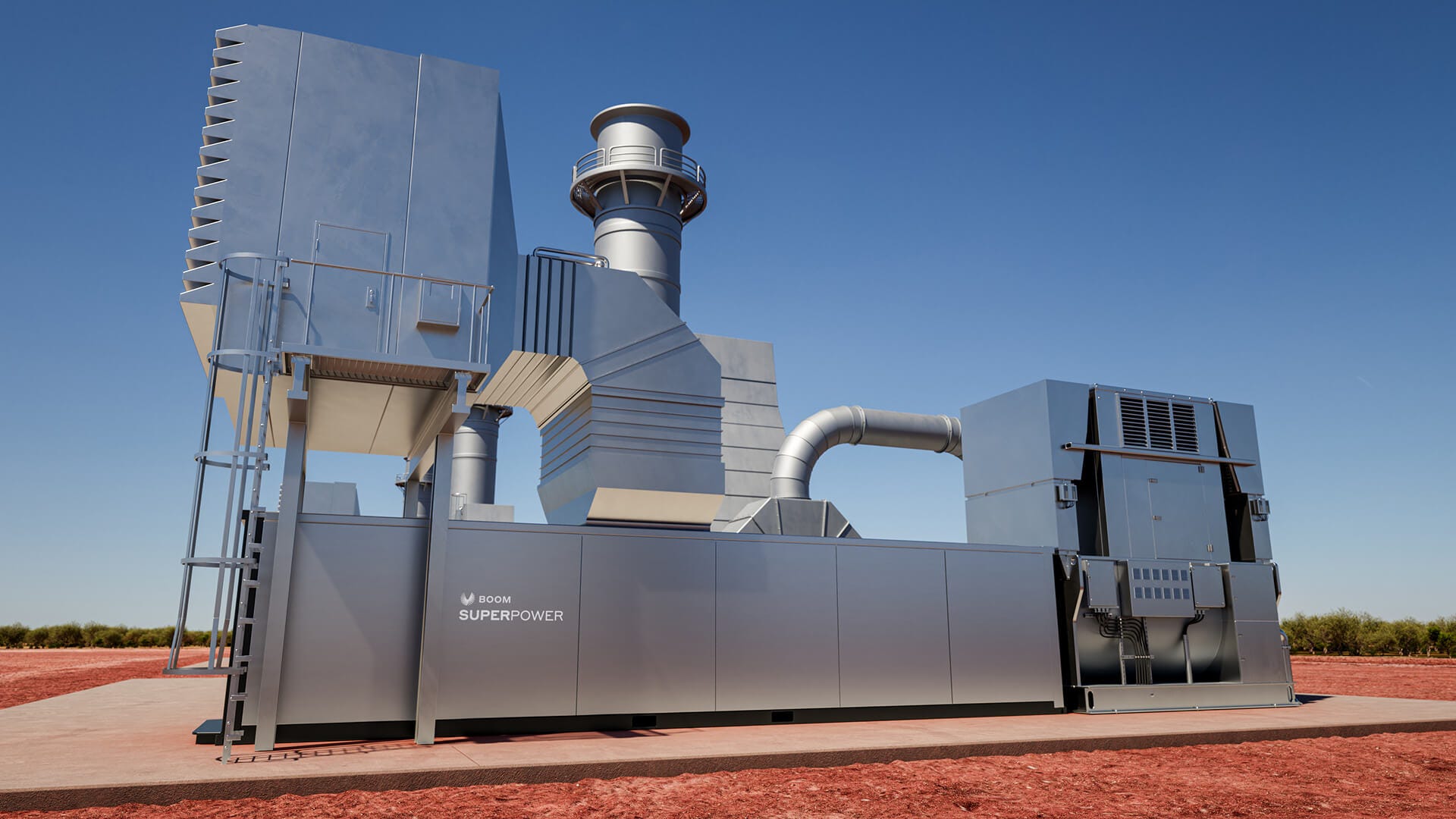
Perhaps nothing illustrates where the money is flowing better than Boom Supersonic’s recent pivot.
The company, originally founded to build a supersonic airliner, announced in December 2025 that it would sell 1.21 gigawatts of natural gas turbines to AI data centre developer Crusoe. Boom’s “Superpower” turbine, a 42-megawatt unit based on jet-engine technology, already has a reported backlog exceeding $1.25 billion.
As the ICCT’s Dan Rutherford observed, this represents a company that has moved from aircraft manufacturer to engine OEM, to AI data centre energy provider. All while its end-of-2026 deadline to begin producing aircraft at its North Carolina factory approaches, along with the 1,750 jobs promised in exchange for $200 million in state incentives.
Could a rising tide lift aviation’s boats?
But rather than framing big tech’s renewable energy grab as purely a threat, there is a more nuanced reading.
That’s because, in addition to consuming clean energy, big tech is also bankrolling the next generation of it, much of which is directly relevant to aviation.
To take one example, nuclear energy, which, as we outlined in a recent article, could provide a route to cheaper synthetic fuels.

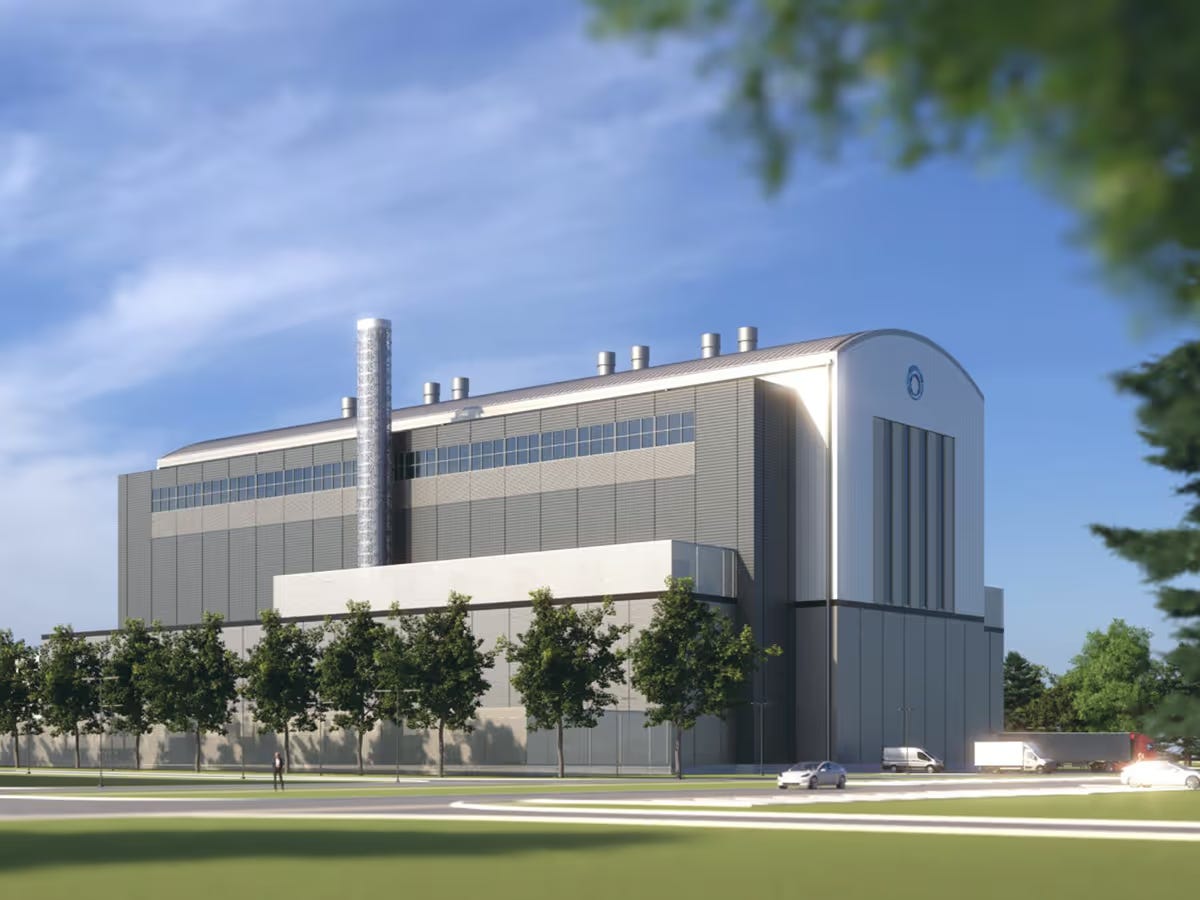
Google has signed a 500-megawatt SMR deal with Kairos Power, with the first reactor targeted for 2030. Amazon has backed 5 gigawatts of X-energy SMR projects and invested $500 million in the company’s reactor design and fuel fabrication. Microsoft has signed a 20-year deal to restart the Three Mile Island Unit 1 reactor in the US, delivering over 800 megawatts of clean baseload power. Meta has issued a request for proposals seeking 1-4 gigawatts of new nuclear generation.
The pattern holds for batteries, too. XL Batteries, one of the SXSW panellists, is commercialising long-duration organic flow battery storage that avoids lithium entirely. Data centres need it for grid stability; airports need it for exactly the same reason, as the Heathrow substation fire in March 2025 made clear.
Then there is waste heat. Breana Wheeler described how AI data centres generate massive amounts of it. A recent paper from the Kleinman Center for Energy Policy explored co-locating data centres with direct air capture facilities, using waste heat to power the CO2 regeneration that DAC requires. Given that DAC is essential both as a CO2 source for synthetic aviation fuels and for addressing residual emissions, pairing it with data centre infrastructure is an idea worth considering.
Overall, tens of billions of dollars are flowing into technologies that our January 2026 report identified as critical to aviation’s decarbonisation over the 2030s. If data centre demand drives those costs down the same curve that solar followed, airports and e-fuel producers stand to benefit.

What this means for aviation
Aviation cannot outbid big tech for clean energy. But it can position itself to ride the cost curves that tech investment is creating. That means airports thinking seriously about on-site energy storage and microgrids. It means SAF producers tracking geothermal, nuclear, and battery cost trajectories as closely as they track feedstock prices. And it means the industry engaging with the data centre energy buildout as a strategic factor in its own decarbonisation planning.