

Why nuclear fusion suddenly feels real, and what it means for aviation
Insights from SXSW London 2026 on why fusion energy is becoming increasingly relevant to aviation, synthetic fuels, and the race for clean industrial power.

⚡ In a nutshell
US company Commonwealth Fusion Systems has formally applied to connect a 400MW fusion plant to the US grid, with Google and Eni already signed as buyers. Its commercial reactor design was just independently validated in a peer-reviewed study.
In a single week in June: Focused Energy raised $240m for a fusion plant at a former German nuclear site, Xcimer Energy activated the largest privately owned laser on Earth, and a UK-US consortium formed to build commercial fusion in Britain.
Fusion can deliver high-temperature process heat (600–1,000°C) directly, without converting to electricity first. That could significantly improve the efficiency and cost of producing synthetic jet fuel.
The UK, EU, and US have all published fusion strategies backed by billions in public funding. The UK’s STEP prototype plant is targeted for the 2040s in Nottinghamshire.
The countries that build fusion infrastructure first will likely produce the cheapest synthetic jet fuel. Europe’s SAF mandate requires 70% sustainable fuel by 2050, with a 35% sub-mandate for e-fuels that can only be made with vast quantities of clean power.
Any technology that promises abundant, cheap, always-on electricity is, by definition, an aviation technology. Airlines and fuel producers need to start paying attention.

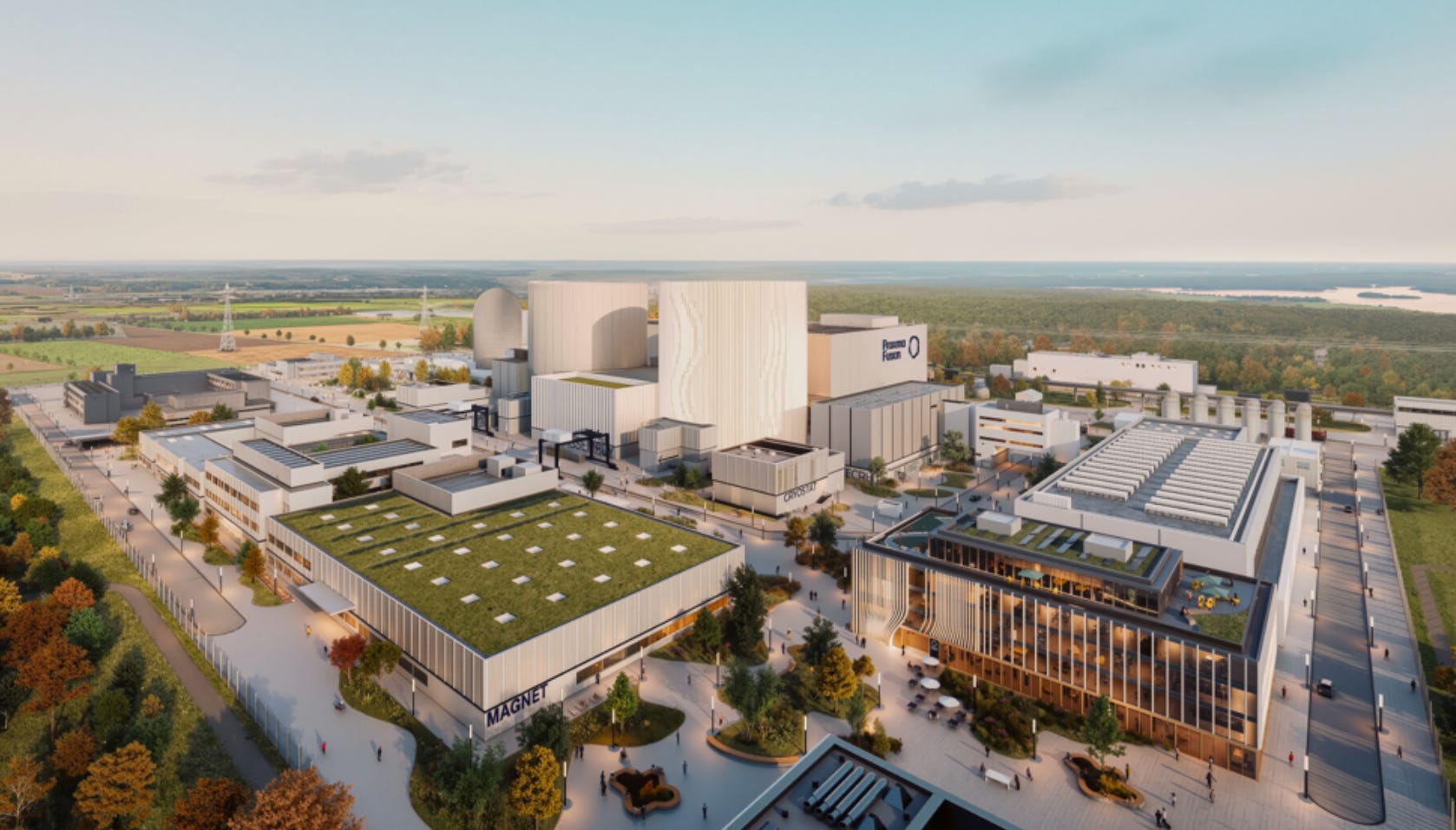
Jenny Cane started her career the way most fusion researchers do: running experiments, keeping the plasma stable, wondering if anyone would ever plug the thing into a wall socket. Then “suddenly we went past that,” she said at the SXSW London Festival last week. “We started hiring more and more engineers, and we started working on the engineering that we were going to need to actually design power plants. Suddenly I’m designing something that is literally there to put electricity on the grid.”
Cane is now senior lead engineer at Proxima Fusion, Europe’s fastest-growing fusion company. The transition she described, from research project to commercial infrastructure, is happening across the sector faster than almost anyone predicted. And for an industry that in Europe will be legally required to burn synthetic jet fuel which commands a high green premium, the energy source that could make it affordable is no longer a theoretical proposition. It is actually under construction.
Announcements turn into grid applications
Consider what has happened since our March piece, ‘From Fission to Fusion.’
Commonwealth Fusion Systems, the best-funded private fusion company on Earth, announced in late April that its Massachusetts demonstration reactor is 75% complete, with first plasma expected in 2027. More significantly, CFS has formally applied to connect a 400MW plant in Virginia to the PJM grid, which serves 65 million people. Google and Eni are already contracted to buy the power.

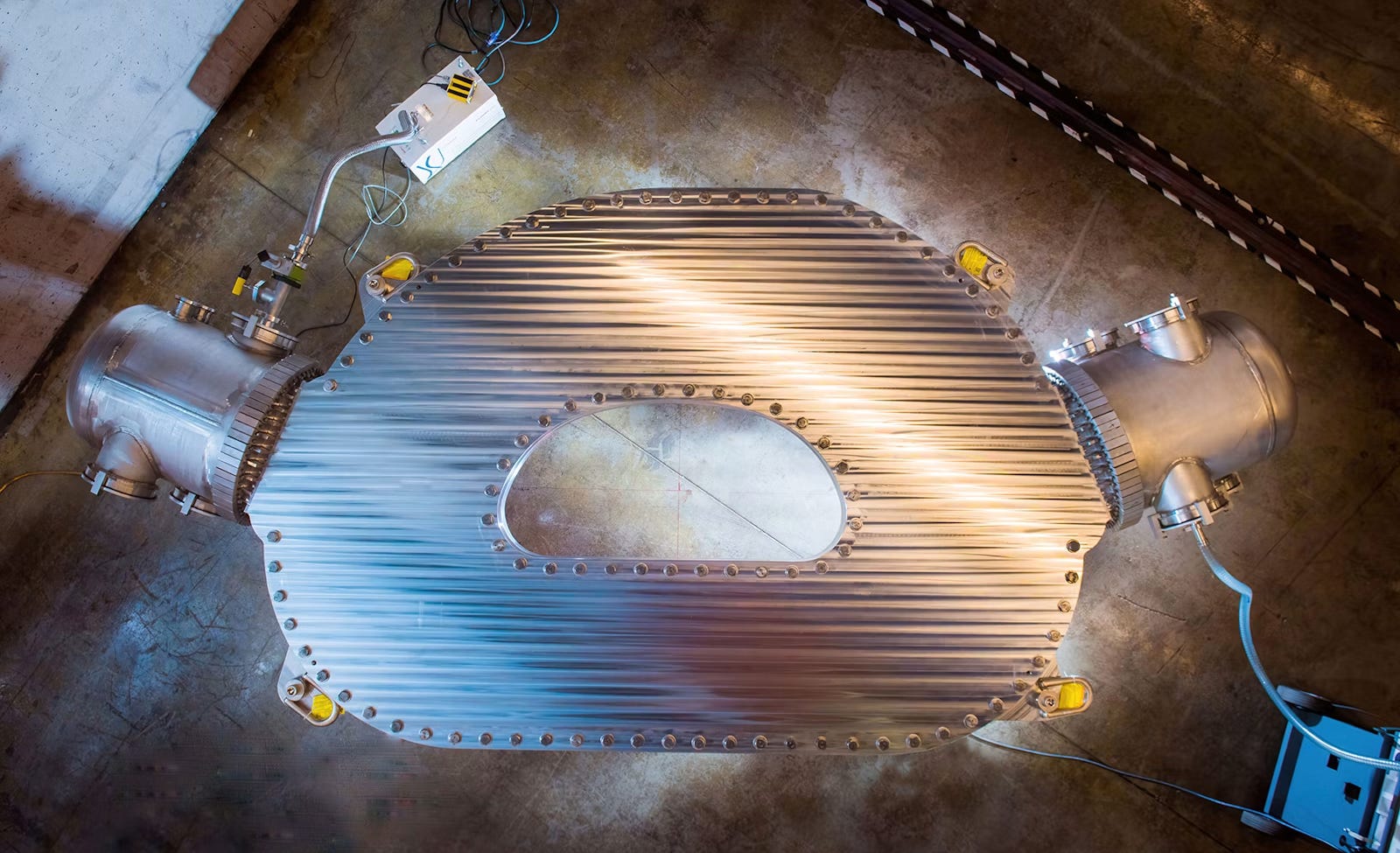
Then, in a single week in early June: Focused Energy raised $240 million to build a fusion facility at the former Biblis nuclear site in Germany. Xcimer Energy activated a 38-metre laser, the largest privately owned laser on Earth, as a step toward a commercial plant by the mid-2030s. And a UK-US consortium including Type One Energy, Tokamak Energy, and Aecom formed to develop commercial fusion in Britain.
Investment is surging alongside construction. The EU’s Fusion Observatory reported over $13 billion raised between 2020 and 2025, up from under $2 billion in the preceding period. The German state of Bavaria has pledged €400 million to Proxima Fusion. The US Department of Energy has committed $135 million for the next 18 months. The old joke that fusion is always 30 years away has been replaced by something more interesting: a race to see which country gets there first.
The heat insight and why it matters for aviation
At SXSW London, Cane said something fundamental to the aviation story. Fusion reactors, she explained, can deliver high-temperature process heat directly — 600 to 1,000 degrees Celsius — without converting to electricity first.
“You’re cutting out the low-efficiency conversion and going straight with the heat,” she said. “And the temperatures we’re talking about, 600 degrees, 1,000 degrees, can be hard to reach with other sources.”
Here is why that matters: Making synthetic jet fuel via power-to-liquids is extraordinarily energy-hungry. You need electricity to split water into hydrogen. You need to capture CO2 from the atmosphere. And then you need to combine them under high heat and pressure to produce a liquid fuel that works in existing engines. Every step consumes energy. The more efficient you can make the process, the closer you get to a fuel price that airlines can absorb without passing crippling costs to passengers.
Quick refresher: Fission splits heavy atoms like uranium — the technology in today’s nuclear plants. Fusion forces light atoms together, the same process that powers the sun. Despite the same word “nuclear,” it has fundamentally different physics. Fusion has no meltdown risk and no long-lived waste. The trade-off? We haven’t figured out how to do it commercially yet.
In our March piece on Equilibrion and Rolls-Royce collaborating on Small Modular Reactors (SMR), we noted that one advantage of small modular fission reactors is that they produce both electricity and process heat, feeding the fuel synthesis process more efficiently.

Cane’s point extends that same logic to fusion, at potentially much higher temperatures, and with an energy source whose fuel supply is measured in billions of years rather than decades. A future fusion reactor sited near a SAF facility could provide everything the process needs from a single installation: the electricity, the heat, the reliability. No other clean energy source currently offers that combination.
Nick Sykes, director of robotics at the UK Atomic Energy Authority, put the energy density in terms anyone can grasp. Take two large bottles of deuterium, which is the form of hydrogen used in fusion, extracted from ordinary seawater. Those two bottles would produce the same energy as filling an entire convention centre, the whole complex, with coal.
And so, for aviation, that energy density has a very specific significance. Replacing the world’s aviation fuel supply with power-to-liquids would require more clean energy than many countries currently produce in total. Any technology that promises abundant, cheap, always-on electricity is, by definition, an aviation technology.
The government race to be first
Our March piece was largely a story about private companies and venture capital. Since then, governments have arrived with serious money and specific plans.
The UK published a fusion strategy in March pledging £2.5 billion in public investment by 2030. Its flagship project is STEP, the Spherical Tokamak for Energy Production, a government-backed prototype to be built in Nottinghamshire and targeted for the 2040s.
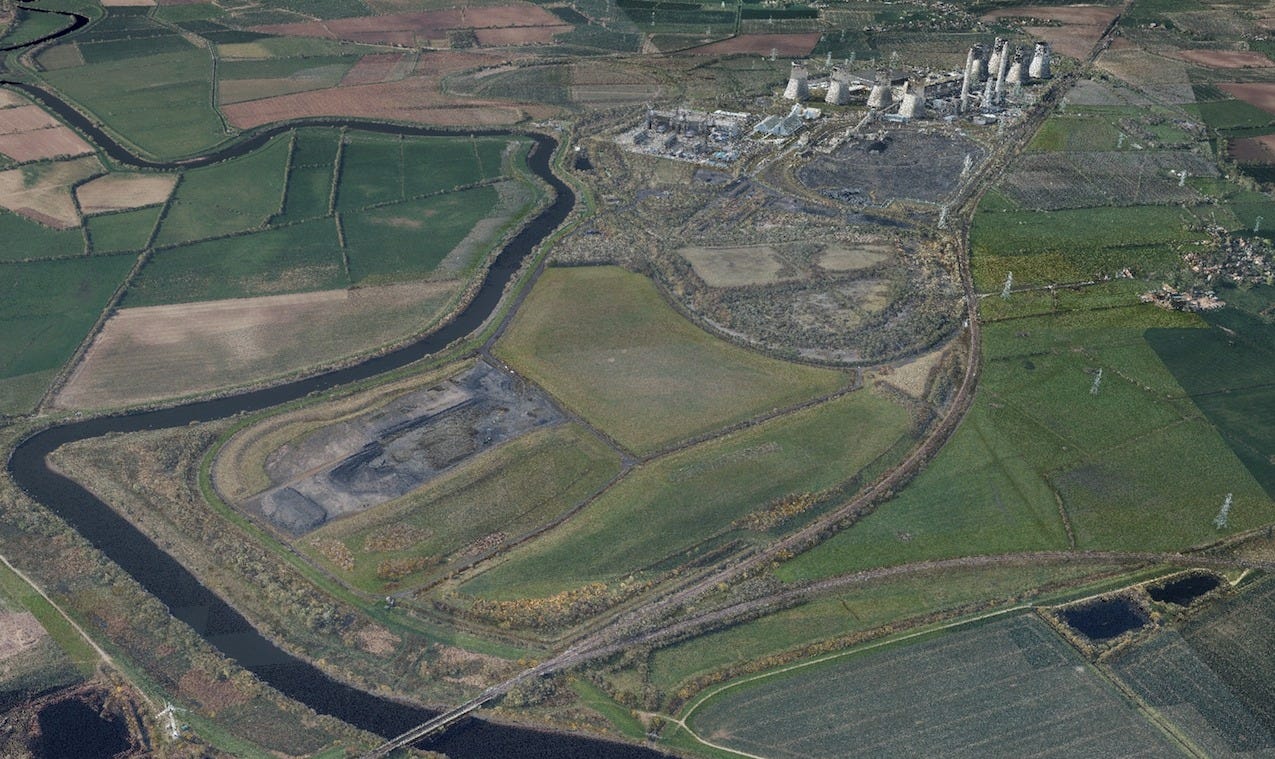
At SXSW London, Sykes described what STEP means for the area: “Transforming a region that was hugely dependent on mining, where there was a coal power station, into a new technology that is going to be a solution to energy for mankind.” Building a fusion plant on a former coalfield is the energy transition made visible.
Germany is going about it differently. Multiple private fusion companies have spun out of the country’s research institutions and are competing internationally. Cane, whose employer Proxima Fusion emerged from the Max Planck Institute in Munich, said Berlin’s updated strategy now explicitly targets hosting the world’s first commercial pilot plant.
“It’s a competition,” she said. “Countries are starting to realise the economic benefit of this industry and that they want to be in it.”
The European Commission announced €222 million for fusion in March through a new public-private partnership. The US Department of Energy published a roadmap targeting commercial fusion on the grid by the mid-2030s. A genuine international race is taking shape.
The “30 years away” joke is dead
Cane addressed the old scepticism directly, namely the old joke that nuclear fusion is only ever 30 years away:
“That 30 years thing, if you actually look back in the literature, was about how much you would need to invest in fusion for it always to be 30 years away. And actually, investment was always at about that level, so it never got any closer. Now we’ve got the billions. We can take the massive steps we need.”
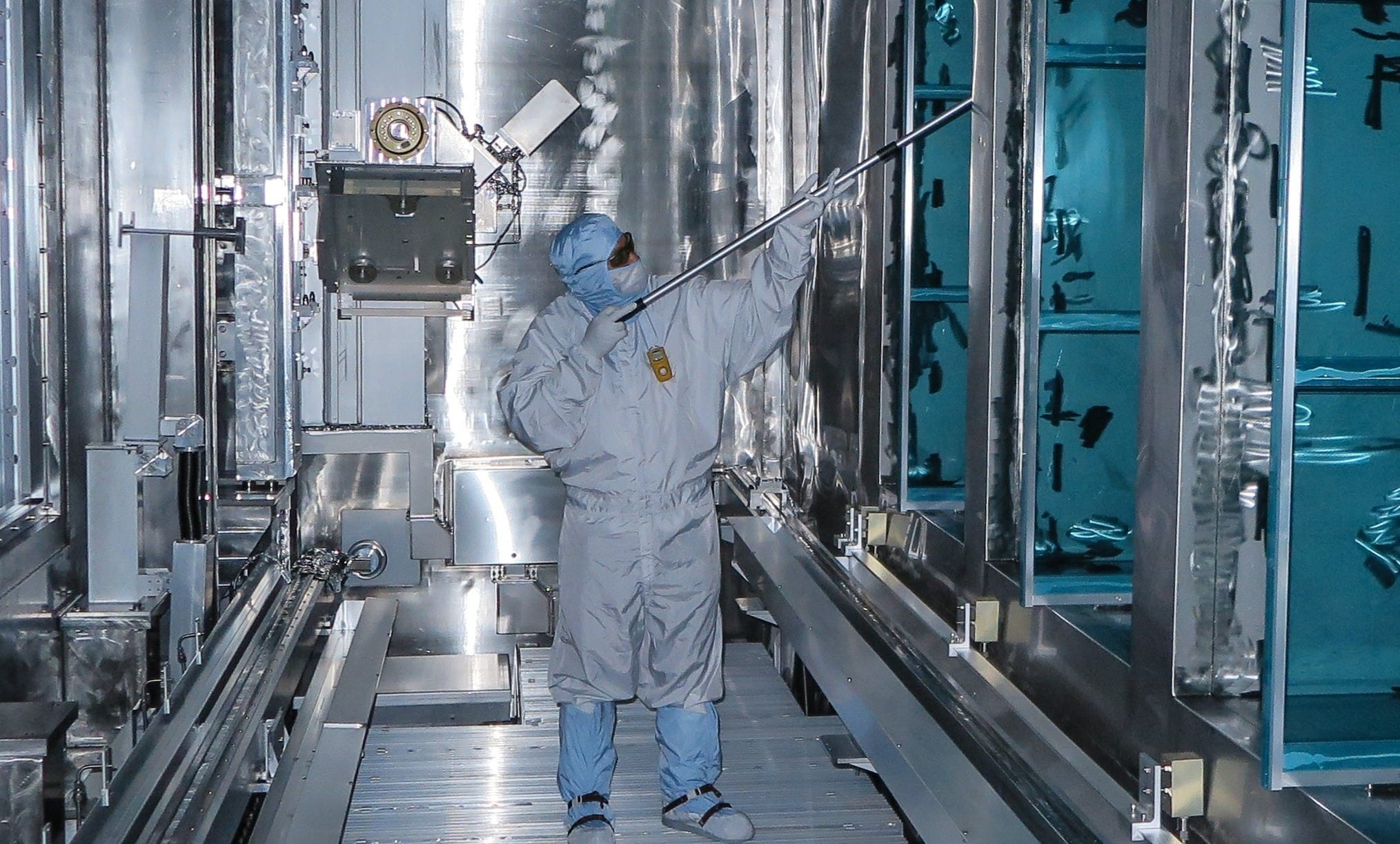
The steps are visible. CFS’s reactor design was independently validated in a peer-reviewed study in the ‘Journal of Plasma Physics’, confirming its ability to handle 150-million-degree plasma and generate 1.1GW of fusion power for 400MW of net electricity.
Records are being broken routinely, at JET in the UK, at the National Ignition Facility in the US, at facilities in China and France. And AI is accelerating the engineering: Proxima’s entire reactor design depends on AI-optimised magnet shapes so intricate that only machine learning can navigate the design space.
What to do with this
Commercial fusion power is still most credibly projected for the 2040s. The engineering challenges ahead are immense, but momentum is accelerating. Billions of euros, dollars and pounds are flowing into the sector from investors who now believe this is real. Prototypes are being built. Grid applications are being filed while the physics is being validated.
For an industry that will be legally required to burn highly expensive synthetic fuel, an energy source that could make it affordable has moved from the edge of the frame to the centre.
The lesson for aviation? Plan for fission today, especially the Small Modular Reactors that could be sited near SAF plants or airports. But start planning for fusion too, which could well arrive several years before the 2050 net zero target date.